⚕️
Medical Disclaimer: This article is for informational and educational purposes only and does not constitute medical advice. Dark spots can have multiple underlying causes. Always consult a qualified dermatologist before starting any new skin treatment, especially if the pigmentation is persistent, worsening, or appears alongside other symptoms.
Dark spots on the face are among the most common skin concerns in India. The combination of intense year-round sun exposure and naturally higher melanin levels in South Asian skin results in uneven pigmentation, dark patches, and stubborn marks affecting a large proportion of the population.
Unlike a sun tan, which is temporary surface darkening from UV exposure, dark spots are localised areas of excess melanin that form for several different reasons and not all of them respond to the same treatment. Identifying the type of dark spot you have determines which approach will actually work.
This guide covers the types and causes of dark spots, 10 home remedies specifically for hyperpigmentation, evidence-backed topical ingredients, clinical treatments available at AK Clinics, and a clear guide on when to stop home treatment and see a dermatologist.
Quick Answer
What gets rid of dark spots on the face?
For mild, recent dark spots, natural tyrosinase inhibitors such as sandalwood, orange peel, Vitamin C, amla, and fermented rice water can help fade pigmentation over 4 to 8 weeks.
For stubborn dark spots and melasma, topical actives such as Vitamin C serum, niacinamide, kojic acid, and retinol, combined with strict daily SPF use, produce the best long-term results.
For treatment-resistant pigmentation, clinical options at AK Clinics, including chemical peels, laser treatments, and microdermabrasion, work significantly faster.
Types of Dark Spots — Identifying What You Have
The right treatment depends entirely on the type of dark spot you are dealing with. These are the four most common types seen among Indian patients:
| Type |
Primary Cause |
Home Remedy Response |
| Sun spots |
Cumulative UV exposure |
Good |
| Post-acne marks (PIH) |
Inflammation triggers localised melanin |
Partial |
| Melasma |
Hormonal changes plus UV |
Poor — needs clinical treatment |
| Age spots |
Ageing plus UV accumulation |
Partial |
Important: Melasma is not a dark spot from the sun or acne. Melasma is a hormonal pigmentation condition that is very common in Indian women, particularly those who have been pregnant or are taking hormonal contraception. It appears as dark brown or grey patches and is often mistaken for sun damage. It does not respond to home remedies or most over-the-counter products. It requires a dermatologist’s diagnosis and prescription treatment.
What Causes Dark Spots on the Face?
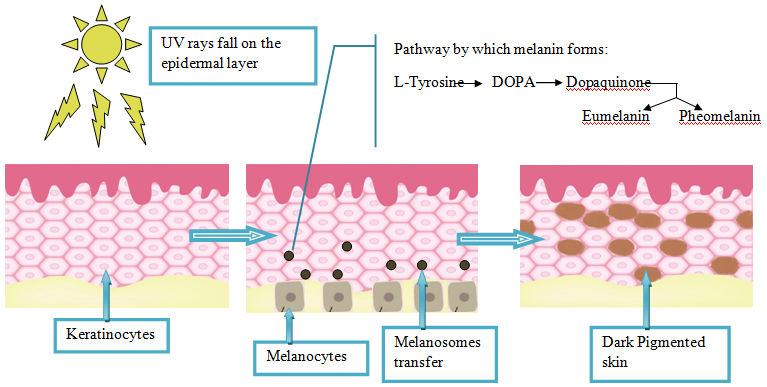
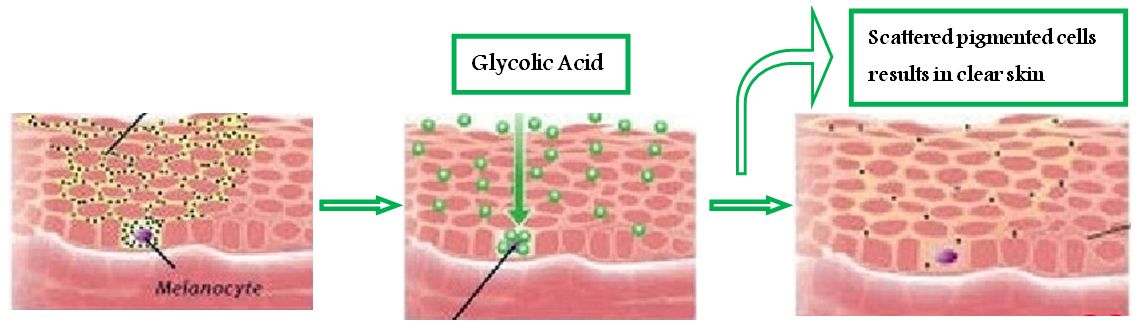
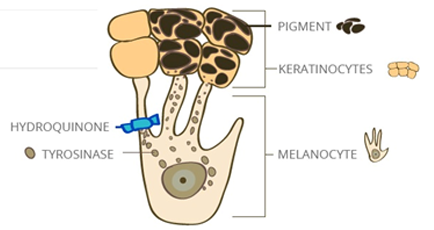
Dark spots form when melanocytes, the pigment-producing cells in the skin, produce excess melanin in a concentrated area. Several triggers cause this in Indian skin:
- UV radiation: Direct sunlight activates melanin production as a protective response. Without SPF, chronic UV exposure leads to uneven melanin distribution and persistent dark patches.
- Post-inflammatory hyperpigmentation (PIH): When skin experiences inflammation from acne, a rash, waxing, or aggressive scrubbing, the healing process can leave a dark mark. Indian skin is particularly susceptible to PIH because of its baseline melanin reactivity.
- Hormonal changes: Fluctuations in oestrogen and progesterone during pregnancy, use of hormonal contraception, or menopause can stimulate excess melanin production. This is the primary driver of melasma.
- Ageing: Melanin distribution becomes irregular as skin cells age and lose their ability to regulate pigment uniformly, leading to age spots.
- Friction and physical trauma: Repeated rubbing on areas like the inner thighs, underarms, or neck can trigger PIH from chronic low-level inflammation.
- Medication side effects: Certain antibiotics, antimalarials, and hormone therapies can increase UV sensitivity, making the skin more prone to UV-induced darkening.
10 Home Remedies Specific to Dark Spots and Hyperpigmentation
Before starting, patch test every remedy. Apply to the inner wrist for 20 minutes before using it on the face. This is especially important for apple cider vinegar and orange peel, which can irritate reactive skin.
1. Sandalwood Powder and Rose Water
Sandalwood contains alpha-santalol and other compounds with demonstrated anti-tyrosinase activity, meaning they directly inhibit the enzyme responsible for melanin overproduction. It has been used in Indian skincare for centuries and remains one of the best-studied natural depigmenting agents in the Ayurvedic tradition.
Method:
- Mix 2 teaspoons of pure sandalwood powder with enough rose water to form a smooth paste.
- Add 2 to 3 drops of glycerin to improve skin contact and prevent the paste from drying too quickly.
- Apply to dark spots only, not the full face.
- Leave for 20 to 25 minutes and rinse with cool water.
- Use 3 to 4 times a week.
Safety note: Use pure sandalwood powder — adulterated commercial versions often contain talc or chemical fragrances. A patch test is important as sandalwood can cause contact allergy in a small number of people.
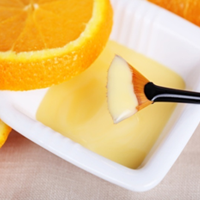
2. Orange Peel Powder and Milk
Orange peel contains higher concentrations of Vitamin C than the pulp, along with hesperidin and other flavonoids that inhibit melanin formation. Vitamin C directly blocks the tyrosinase pathway and reduces the oxidative damage that triggers dark spot formation. Milk provides lactic acid for gentle chemical exfoliation of the pigmented surface layer.
Method:
- Mix 1 to 2 teaspoons of dried orange peel powder with enough cold milk to form a smooth paste.
- Apply evenly to dark spots and let it dry completely, about 15 minutes.
- Rinse with warm water without scrubbing.
- Use 3 times a week at night only.
Safety note: Apply only at night. Orange peel, like all citrus, increases photosensitivity. Always follow with SPF the next morning.
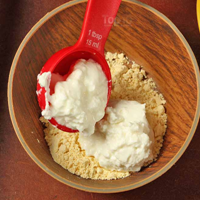
3. Besan (Chickpea Flour) and Buttermilk
Besan acts as a gentle physical exfoliant, progressively removing the outermost layer of pigmented skin cells. Buttermilk provides lactic acid, one of the most clinically studied AHA ingredients for reducing surface-level hyperpigmentation, without the photosensitivity risk associated with citrus-based remedies.
Method:
- Mix 3 tablespoons of gram flour with enough fresh buttermilk to form a thick, even paste.
- Apply to the face or specifically to dark spots.
- Leave for 20 minutes, then wet your hands and use light circular motions to gently work off the dried mask.
- Rinse with cool water.
- Use as a rinse-off mask 2 to 3 times a week, not as a daily scrub.
Safety note: Do not use as a physical scrub with harsh rubbing, as over-exfoliation can trigger PIH in reactive skin. Gently work off the mask with moistened hands.
4. Green Tea Compress
Green tea contains EGCG (epigallocatechin gallate), a polyphenol that inhibits tyrosinase and reduces UV-induced DNA damage in melanocytes. Multiple studies have demonstrated its effectiveness in reducing hyperpigmentation when applied topically. It is particularly useful for sun-induced dark spots and for daily maintenance.
Method: Brew a strong cup of green tea using 2 tea bags in half a cup of hot water. Allow to cool completely. Soak cotton pads in the cooled tea and press gently against dark spots for 5 to 10 minutes. Alternatively, freeze cooled green tea in ice cube trays and gently rub onto dark spots for 2 to 3 minutes daily. Leave on and do not rinse.
Safety note: Safe for all skin types, including sensitive skin. One of the gentlest remedies in this list — suitable for daily use without irritation risk.
5. Amla (Indian Gooseberry) Juice
Amla has one of the highest natural concentrations of Vitamin C of any fruit, significantly higher than citrus fruits. The Vitamin C in amla is more stable than synthetic ascorbic acid and provides a sustained tyrosinase-inhibiting effect. It is a well-established ingredient in Ayurvedic skin brightening and is supported by research for its ability to reduce melanin synthesis.
Method:
- Extract fresh amla juice by grating or blending raw amla, then straining through a cloth.
- Apply the undiluted juice to dark spots using a cotton ball.
- Leave for 15 to 20 minutes and rinse.
- For a more comfortable consistency, mix with a teaspoon of honey before applying.
- Use daily — amla is mild enough for everyday use on all skin types.
Safety note: Fresh amla is preferred over packaged juice, which often contains preservatives that reduce efficacy. In season, use fresh; out of season, look for cold-pressed amla juice.
6. Masoor Dal (Red Lentil) Face Pack
Red lentils are rich in antioxidants, including flavonoids and zinc, which help reduce oxidative stress in UV-damaged skin. Masoor dal is a traditional Ayurvedic remedy for skin brightening and hyperpigmentation. It also provides a gentle exfoliating action when applied as a paste, helping to shed the outer layer of pigmented cells.
Method:
- Soak 3 tablespoons of masoor dal overnight.
- Drain and blend into a smooth paste.
- Add a tablespoon of milk or rose water to adjust the consistency.
- Apply evenly to dark spots and the face. Leave for 20 minutes and rinse with cool water.
- For oily skin, omit the milk and use rose water instead.
- Use 3 times a week.
Safety note: Blend smoothly — coarse lentil particles can be abrasive on the face. Ensure it is a smooth paste before applying. Suitable for all skin types.
7. Diluted Apple Cider Vinegar Toner
Apple cider vinegar contains acetic acid, which has been shown in research to lighten hyperpigmented skin by gently disrupting the outermost layer of pigmented cells. It also contains alpha hydroxy acids that promote exfoliation. It must always be diluted before use on the skin — the undiluted form is too acidic and will burn.
Method:
- Mix equal parts raw apple cider vinegar and water (1:1 ratio).
- Apply with a cotton pad to dark spots only, not the full face, on first use.
- Leave for 2 to 3 minutes and rinse with cool water.
- As your skin adjusts over 2 weeks, you can gradually increase to a maximum of 5 minutes.
- Use once daily at night.
Safety note: Always dilute — never apply undiluted. If stinging or redness occurs, dilute further (1 part to 2 parts water). Do not use on broken skin, active acne, or near the eyes.
8. Saffron and Milk Mask
Saffron (kesar) contains kaempferol and other phytonutrients that inhibit tyrosinase activity. It is one of the oldest skin brightening ingredients in the Indian tradition and has been validated in recent research as an effective depigmenting agent. Combined with milk’s lactic acid, this mask addresses both the enzymatic cause of dark spots and the surface layer of pigmented cells.
Method:
- Soak 6 to 8 strands of pure saffron in 2 tablespoons of warm whole milk for 20 to 30 minutes, until the milk turns golden.
- Apply the saffron-infused milk to dark spots with a cotton pad.
- Leave for 20 minutes, then rinse.
- Use 3 to 4 times a week before bed.
Safety note: Use pure saffron only — genuine saffron turns milk deep golden yellow when soaked. Safe for all skin types.
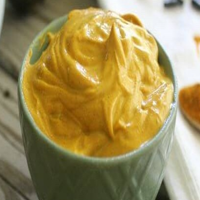
9. Neem and Turmeric Paste
Neem contains nimbidin and nimbin, which reduce the inflammatory signalling that triggers post-inflammatory hyperpigmentation. Turmeric’s curcumin inhibits both the tyrosinase enzyme and the NF-kB inflammatory pathway. Together they address PIH from two distinct angles — anti-inflammatory and anti-melanogenic — making this combination particularly effective for post-acne marks.
Method:
- Blend 8 to 10 fresh neem leaves into a fine paste.
- Mix with a small pinch of turmeric powder and 1 teaspoon of raw honey.
- Apply to post-acne marks and dark spots.
- Leave for 15 minutes and rinse with warm water.
- If fresh neem leaves are unavailable, neem powder can be used instead.
- Use 3 times a week.
Safety note: Turmeric can temporarily stain light skin yellow — rinse thoroughly. Use primarily for post-acne marks and PIH, not for sun-induced dark spots.
10. Fermented Rice Water
Fermented rice water naturally contains kojic acid, pitera (a yeast fermentation product), and inositol — all of which have documented effects on reducing melanin production and improving skin clarity. Kojic acid is a well-established commercial depigmenting ingredient, and fermented rice water is its natural source.
Method:
- Wash half a cup of uncooked rice thoroughly.
- Soak in 2 cups of clean water for 30 minutes.
- Strain and keep the water.
- Ferment at room temperature for 24 to 48 hours until it smells slightly sour.
- Dilute 1 part fermented rice water with 4 parts fresh water before use.
- Apply to dark spots with a cotton pad, leave for 10 to 15 minutes, then rinse.
- Use daily.
Safety note: Always dilute fermented rice water — the undiluted version is too concentrated and may cause irritation. Refrigerate the unused portion and use within 3 days.
Evidence-Backed Topical Ingredients for Persistent Dark Spots
When home remedies are not producing sufficient results for deeper pigmentation, older dark spots, or PIH, these clinically validated topical ingredients are the next step. Most are available in over-the-counter serums and creams in India.
Vitamin C (Ascorbic Acid)
Inhibits tyrosinase and provides antioxidant protection against UV-triggered melanin production. Applied in the morning under sunscreen, it acts as both treatment and prevention. Look for stable Vitamin C in 10%-20% formulations.
Niacinamide (Vitamin B3)
Reduces the transfer of melanin from melanocytes to skin cells, gradually lightening existing dark spots without irritation. Well tolerated by all skin types, including sensitive skin. Suitable for daily use in 5% to 10% concentration.
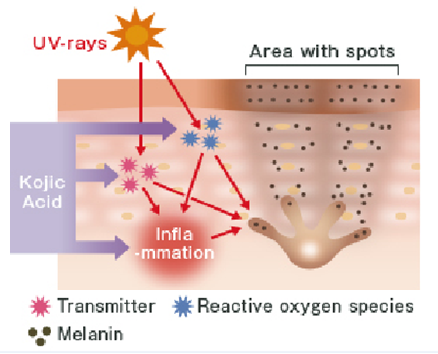
Kojic Acid
Inhibits tyrosinase and is clinically proven for melasma, age spots, and sun-induced hyperpigmentation. Available in serums and creams as well as occurring naturally in fermented rice water.
AHA and BHA Exfoliants
Glycolic acid and lactic acid accelerate cell turnover, helping the skin shed its pigmented outer layer. Salicylic acid penetrates pores and is particularly useful for acne-related PIH. Use 2 to 3 times a week.
Retinol (Vitamin A)
Accelerates skin renewal and inhibits melanin transfer. One of the most clinically supported ingredients for long-term pigmentation reduction. Start with a low concentration at night and increase gradually. Strict morning SPF is essential.
Hydroquinone
The most potent prescription depigmenting agent. Inhibits tyrosinase directly. Available at 2% concentration in some over-the-counter products and at higher concentrations on prescription. Should be used under a dermatologist’s supervision due to risks at high concentrations or with prolonged use.
Quick Comparison
| Ingredient |
Best For |
OTC? |
Results Timeline |
| Vitamin C serum |
Sun spots, general brightening |
Yes |
4 to 8 weeks |
| Niacinamide |
All types, sensitive skin |
Yes |
4 to 6 weeks |
| Kojic acid |
Melasma, age spots |
Yes |
6 to 12 weeks |
| Glycolic acid (AHA) |
Post-acne marks, dull skin |
Yes |
3 to 6 weeks |
| Retinol |
Age spots, PIH, deep pigmentation |
Yes |
8 to 12 weeks |
| Hydroquinone 2% |
Stubborn melasma, deep spots |
Yes (2% only) |
6 to 12 weeks |
| Hydroquinone 4%+ |
Treatment-resistant melasma |
Prescription only |
Under dermatologist’s supervision |
Clinical Treatments for Stubborn Dark Spots at AK Clinics
When home remedies and topical actives are insufficient, for deeper pigmentation, widespread melasma, or extensive PIH, AK Clinics offers dermatologist-led treatments at our centres in Delhi, Ludhiana, and Bangalore:
Chemical Peels
Chemical peels use controlled acids to remove the pigmented outer layer of skin and stimulate the regeneration of new skin cells. Highly effective for mild to moderate sun spots, post-acne marks, and surface-level hyperpigmentation. Results are typically visible within 1 to 3 sessions.
Laser Photo Facial and Pigmentation Treatment
Laser photo facial and pigmentation treatment at AK Clinics uses concentrated light energy to carefully target melanin deposits. Protocols are tailored for Indian skin tones, which require specific laser parameters to avoid post-treatment hyperpigmentation. Effective for deeper, treatment-resistant pigmentation.
Microdermabrasion and Skin Polishing
Skin polishing uses micro-crystals to physically resurface the skin, stimulating collagen production and significantly improving uneven pigmentation. Suitable for all skin types and particularly effective for dull, sun-damaged skin with widespread surface pigmentation.
How to Prevent Dark Spots from Returning
- SPF every morning, without exception: Broad-spectrum SPF 30 or higher is the single most important step. Without it, any remedy or treatment will be regularly undone by sun exposure. SPF 50 is advisable for prolonged outdoor activity in India. For oily skin, use gel-based, non-comedogenic formulas.
- Treat acne and skin inflammation promptly: PIH is caused by inflammation. The faster acne is treated and resolved, the lower the risk of dark marks forming.
- Do not pick at pimples or dry skin: Physical trauma to healing skin is one of the most common causes of new PIH. A mark caused by picking typically takes 3 times longer to fade than one left to heal naturally.
- Tinted sunscreen with iron oxide: Visible light also stimulates melanin production and is a key trigger for melasma. Tinted SPF products with iron oxide provide protection that regular transparent sunscreen does not.
- Antioxidant support in the morning: A Vitamin C serum applied before sunscreen reduces the oxidative UV damage that triggers melanocyte overactivity, adding a layer of protection beyond SPF alone.
- Avoid heat triggers for melasma: Heat itself can trigger melanin production in melasma-prone skin. Steam rooms, hot yoga, and direct heat exposure can worsen melasma even without sun exposure.
When to See a Dermatologist
Home remedies and topical actives work well for mild, recent dark spots with a clear cause. See a dermatologist when:
- Pigmentation is symmetrical on both cheeks or the forehead: Classic melasma presentation. Home remedies will not work and may worsen it by triggering inflammation.
- Dark patches appeared without sun exposure or skin injury; internal hormonal or medical triggers warrant investigation.
- Pigmentation is worsening despite proper sun avoidance and home treatment: Something is actively driving melanin overproduction that home care cannot address.
- A pigmented patch has changed in size, shape, or colour: Any changing pigmented lesion needs professional assessment to rule out conditions that require urgent attention.
- No improvement after 8 to 12 weeks of consistent home treatment: The pigmentation is likely too deep for surface-level home care to reach.
At AK Clinics, Dr Aman Dua provides dermatologist-driven skin evaluation and personalised treatment plans for all types of hyperpigmentation. Book a free consultation at our Delhi, Ludhiana, or Bangalore centres.
Frequently Asked Questions
The best single ingredient is sandalwood paste applied with rose water — it has direct anti-tyrosinase activity and clinical support for its role in reducing melanin production. For post-acne marks specifically, the neem and turmeric paste is most appropriate as it addresses both the inflammation and melanin aspects of PIH. Consistent daily use of amla juice is the most accessible option for everyday brightening maintenance.
No, and the treatments are different. Tan removal targets melanin produced by UV exposure uniformly across a skin area. Dark spot removal targets localised melanin overproduction caused by inflammation, hormones, ageing, or specific UV damage. Remedies that work for tan removal do not address the tyrosinase overactivity underlying dark spots.
Very recent, mild dark spots from UV exposure or a healed pimple can fade within 3 to 4 weeks if the cause is removed and strict SPF is applied. More established dark spots take 2 to 4 months to fade naturally. Post-acne marks (PIH) typically take 3 to 6 months to fully resolve without treatment. Melasma does not fade without prescription treatment.
Yes, particularly if the underlying trigger is not managed. Sun-induced spots return with continued UV exposure without SPF. PIH returns if acne remains active. Melasma is particularly prone to recurrence if hormonal triggers or sun exposure continue. SPF applied every morning is the most effective prevention against recurrence for all dark spot types.
Hyperpigmentation is the umbrella term for any area of skin that has produced excess melanin. Dark spots are one form of hyperpigmentation — typically small, localised patches. Melasma, PIH, and age spots are all types of hyperpigmentation. The term dark spot is used to describe any localised area of darker skin, regardless of the underlying cause.
Darker skin tones have a naturally higher baseline of melanin and react more strongly to inflammatory triggers, making post-inflammatory hyperpigmentation particularly common. People with Fitzpatrick skin types IV to VI, the majority of the Indian population, are more prone to persistent PIH than lighter skin types. This is why clinical treatments for Indian patients require different protocols than for lighter skin tones.
Last reviewed by Dr. Aman Dua, MBBS MD, FISHRS | AK Clinics | May 2026











Leave a Comment