⚕️
Medical Disclaimer: This article is for informational and educational purposes only and does not constitute medical advice. Hair loss has multiple causes. Always consult a qualified dermatologist or trichologist before starting any DHT-blocking diet, supplement, or treatment regimen.
Why Understanding DHT Matters for Hair Loss
Hair loss affects millions globally, with one major culprit being a hormone called DHT (dihydrotestosterone). While essential for male development, excess DHT can bind to receptors in hair follicles, causing them to shrink over time in a process known as “miniaturisation.” This leads to thinning hair, receding hairlines, and eventually baldness. Both men and women can be affected. At AK Clinics, we believe that preventing hair loss should start with awareness and natural intervention. One of the safest ways to reduce DHT levels and block DHT naturally is through targeted dietary and lifestyle changes.
How to Block DHT Naturally (Quick Answer)
You can block DHT naturally by combining dietary changes, targeted nutrients, and healthy lifestyle habits. Foods rich in zinc, lycopene, and antioxidants, such as pumpkin seeds, tomatoes, and green tea, help reduce the activity of 5-alpha-reductase, the enzyme that converts testosterone into DHT.
While natural DHT blockers can slow hair loss and support scalp health, individuals with moderate to advanced hair thinning may need clinical treatments to achieve more visible, long-term results.
- Include zinc-rich foods like pumpkin seeds and eggs
- Drink green tea for natural DHT inhibition
- Use antioxidants like lycopene from tomatoes
- Maintain a healthy lifestyle and reduce stress
What is DHT (Dihydrotestosterone)?
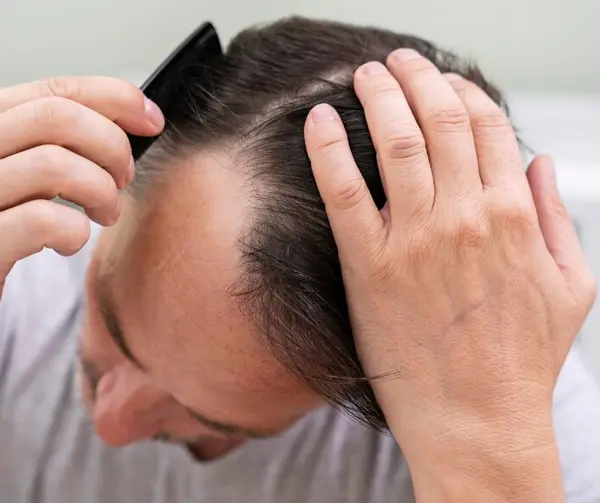
DHT is a derivative of testosterone, converted by the enzyme 5-alpha-reductase. When DHT binds to androgen receptors in the scalp, it causes hair follicles to shrink, weakening hair over time. Reducing DHT levels or blocking its binding to follicles can prevent hair loss and promote regrowth. Common signs of DHT-related hair loss:
- Receding hairline (especially at temples)
- Thinning at the crown
- Overall reduced hair density

What Converts Testosterone to Dihydrotestosterone (DHT)?
The androgen hormone secreted in the body is testosterone. To reach tissues such as those in the brain or the skin, testosterone binds to the enzyme 5-alpha reductase to produce dihydrotestosterone. DHT can be influenced by both external and internal factors, which contribute to increased hormonal levels in the body. For example, some say that stress causes hair loss indirectly. Stress causes the release of the cortisol hormone in large amounts, which further increases adrenaline, testosterone, and dihydrotestosterone.
Men with an enlarged prostate will also have higher DHT levels, and there’s even a theory that the mechanism behind male pattern baldness is the body’s way of protecting men from prostate cancer.
How DHT Causes Hair Loss and Follicle Miniaturisation
DHT plays a central role in hair thinning and pattern baldness. It binds to androgen receptors on hair follicles, particularly in the scalp’s frontal and crown regions. Once bound, it alters the natural hair growth cycle, shortening the anagen (growth) phase and lengthening the telogen (resting) phase. Over time, hair follicles shrink — a process called miniaturisation, leading to finer, shorter hairs until they eventually stop growing.

In men, this often results in male pattern baldness (MPB) with hair loss starting at the temples and crown. In women, DHT-related hair loss usually presents as diffuse thinning. For a deeper understanding of female hair loss patterns, visit our female hair loss guide.
Does DHT Affect Transplanted Hair?
One of the most common questions we get at AK Clinics is whether DHT can affect hair transplanted from the donor area. The answer is reassuring: no. Transplanted follicles are harvested from the “permanent zone” — typically the back or sides of the scalp, which is genetically resistant to DHT. This means that, once transplanted, these hairs retain their DHT resistance even when moved to the balding area. However, your existing native hair (the non-transplanted hair) may still be affected by DHT. That’s why we often recommend DHT-blocking foods, medications, or treatments like PRP therapy to protect surrounding hair and maintain a fuller look.
Learn how FUE hair transplantation uses DHT-resistant donor follicles for permanent, lasting results.
12 Best Natural DHT Blocker Foods to Add to Your Diet
DHT-related hair loss affects both men and women, but it often presents differently. In women, excess DHT can lead to overall thinning, a widening part line, a smaller or thinner ponytail, and sometimes increased hair shedding. Below are the most effective foods that can help lower DHT levels and support healthier, fuller hair.

1) Berries
- Blueberries are rich in vitamin C and proanthocyanidins
- Improve scalp circulation and reduce oxidative stress
- Proanthocyanidins in berries also inhibit 5-alpha-reductase activity, giving them a direct DHT-blocking mechanism beyond general antioxidant support.
Add a handful of blueberries to yoghurt, porridge, or a morning smoothie for consistent daily intake.
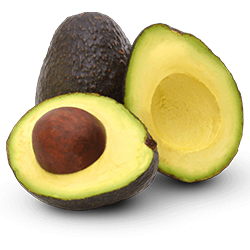
2) Avocado
One of the biggest natural DHT blockers.
- High in vitamin E, monounsaturated fats, and phytosterols
- Promote scalp hydration and reduce oxidative damage
- May assist in flushing out excess DHT
Half an avocado daily — in salads, on toast, or blended into smoothies — provides meaningful vitamin E and phytosterol intake.
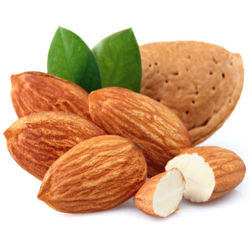
3) Almonds
Crunchy nuts are full of protein and are a brilliant source of biotin. Almonds are also known as the “Hair vitamin”.
- Provide biotin (vitamin B7), vitamin E, and healthy fats
- Strengthen hair structure and support keratin formation
- Zinc in almonds helps in mild DHT suppression
A small handful of soaked almonds each morning provides biotin, vitamin E, and zinc in one go — practical, evidence-backed hair nutrition. Check out Tips for healthy hair.
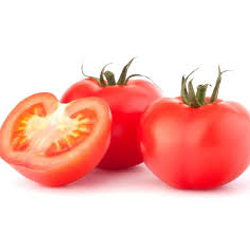
4) Tomato
Lycopene in tomatoes inhibits DHT by regulating or inhibiting 5-alpha-reductase.
- Antioxidants in tomatoes help to fight cells that damage hair follicles and cause hair fall.
- Beta-carotene helps supply nutrients to the scalp for hair growth.
Tomatoes can be easily included in the diet in the form of salads, sauces, and pastes, or added to any of your favourite dishes.
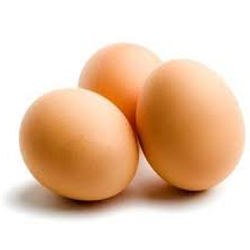
5) Eggs
Eggs are rich in biotin.
- Contains biotin and cysteine, both important for hair protein (keratin)
- Promote follicle health and thickness
- Cooked eggs offer higher nutrient absorption than raw ones
2 eggs daily — boiled, poached, or scrambled — gives optimal biotin and cysteine absorption for hair protein synthesis.
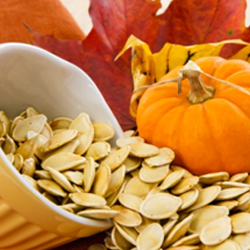
6) Pumpkin Seeds
Pumpkin seeds are among the most nutrient-dense natural DHT blockers, rich in essential minerals including zinc, magnesium, and iron.
- Rich in zinc, magnesium, and cucurbitin (an amino acid)
- Zinc helps regulate DHT production
- Promotes healthy follicle function and scalp nourishment
A handful of pumpkin seeds daily makes an easy snack or a nutritious addition to salads and smoothies.
A randomised, double-blind, placebo-controlled clinical trial found significantly greater hair growth in participants using pumpkin seed oil over 24 weeks. [Study]
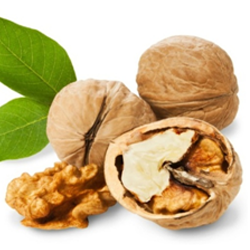
7) Walnuts
Walnuts contain L-lysine, which is a natural DHT inhibitor.
- Walnuts are high in protein.
- Best source of vitamin E (gamma tocopherol), promotes hair growth.
- Contains rare anti-inflammatory nutrients, such as tannins, which combat hair loss.
A small handful of 5 to 7 walnuts daily is sufficient. Add them to porridge, salads with leafy greens and avocado, or eat as a snack for a combined DHT-blocking effect.
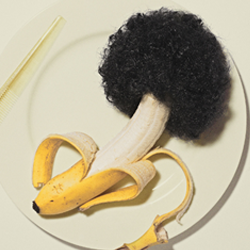
8) Banana
They are also rich in biotin, which prevents the conversion of testosterone into DHT.
- Bananas are a good source of potassium, which helps maintain the circulatory system so that there is an adequate supply of nutrients to the hair follicles.
- Bananas also contain FOS (fructo-oligosaccharides) that help maintain healthy gut bacteria (R). A healthy gut will reduce the overproduction of DHT.
One banana daily works well as a pre-workout snack or blended into a smoothie with pumpkin seeds for a combined DHT-blocking effect.
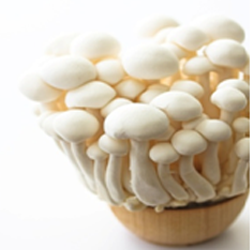
9) White Mushroom
- White mushrooms are also rich in zinc, which blocks DHT production in the body.
- It also contains high levels of vitamin D and pantothenic acid, both of which are vital for growing thick hair on the scalp.
Add 80 to 100g of white mushrooms to omelettes, stir-fries, or soups 3 to 4 times per week for consistent zinc and vitamin D intake.
10) Carrots
Regular use of carrots can make your hair lustrous, silky and smooth.
- Loaded with beta-carotene, which converts to vitamin A.
- Promotes sebum production, keeping the scalp hydrated
- Helps protect against environmental damage
- Vitamin A from beta-carotene supports a balanced scalp environment, making follicles more resilient to the miniaturising effects of DHT
Add raw carrots to salads or enjoy as a snack daily. Carrot juice or soup is an easy alternative — cooking slightly increases beta-carotene bioavailability.
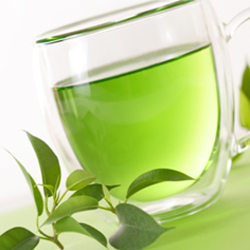
11) Green Tea
- Contains EGCG (epigallocatechin gallate), a powerful antioxidant
- Inhibits 5-alpha-reductase, the enzyme responsible for converting testosterone into DHT
- Reduces inflammation on the scalp
- Improves blood flow to hair follicles
EGCG’s inhibition of 5-alpha-reductase has been demonstrated in peer-reviewed research. Drinking 2 to 3 cups daily provides meaningful EGCG intake for DHT management.[Study]
12) Watermelon
- A hydrating fruit rich in lycopene and citrulline, which helps fight DHT by inhibiting 5-alpha-reductase
- Watermelon is a rich source of vitamins C, B12 and B6.
- They help with hair growth, and citrulline helps eliminate excess DHT from the body.
Lycopene absorption from watermelon is enhanced when the fruit is at room temperature rather than chilled. Fresh is better than juice.
What Vitamins and Nutrients Block DHT Naturally?
Several vitamins and minerals have clinical evidence supporting their ability to reduce DHT production or protect hair follicles from its effects:
Zinc
The most direct nutritional DHT blocker. Zinc inhibits 5-alpha-reductase, the enzyme that converts testosterone to DHT. Studies show that zinc deficiency is closely linked to accelerated hair loss. Found naturally in pumpkin seeds, white mushrooms, and eggs.
Vitamin E (Tocopherols)
A powerful antioxidant that reduces scalp inflammation and oxidative stress caused by DHT. It is found naturally in almonds, avocados, and sunflower seeds. It may help slow follicle miniaturisation.
Biotin (Vitamin B7)
Supports keratin production and strengthens the hair shaft. Although it does not directly block DHT, it reduces the brittleness linked to DHT-related thinning. Found in eggs, almonds, and bananas.
Lycopene
Lycopene is a carotenoid antioxidant found in tomatoes and watermelon. Research shows that lycopene inhibits 5-alpha-reductase activity. It is best absorbed from cooked tomato products such as sauces and pastes.
Vitamin D
Low vitamin D levels are associated with increased sensitivity to DHT and disrupted hair follicle cycling. Natural sources include sunlight exposure, fatty fish, and mushrooms.
If you suspect a nutritional deficiency is contributing to your hair loss, your dermatologist can order a blood panel to identify specific gaps and advise on the appropriate dietary or clinical approach.
Natural DHT Blockers for Women — What Works Best
DHT-related hair loss in women presents very differently from that in men. Rather than a receding hairline, women typically experience diffuse thinning across the crown, a widening part line, and a visibly thinner ponytail, collectively known as female pattern hair loss (FPHL) or androgenic alopecia in women.
Women have lower overall testosterone levels, but hair follicles can be highly sensitive to even small amounts of DHT. Natural approaches that have shown benefit in women include:
Dietary DHT Blockers
Prioritising zinc-rich foods such as pumpkin seeds and mushrooms, lycopene-rich foods such as tomatoes and watermelon, and EGCG from green tea supports natural 5-alpha-reductase inhibition through diet alone.
Spearmint Tea
Clinical research has shown spearmint tea has mild anti-androgen properties that may help reduce circulating androgens in women, making it a useful dietary complement.
Pumpkin Seeds and Saw Palmetto
Both have clinical studies supporting their use in female hair loss. Clinical evidence suggests these natural ingredients can improve hair density and reduce shedding. Your dermatologist can advise whether these are appropriate for your hormonal profile.
Reducing Insulin-Spiking Foods
This is particularly important for women with PCOS, where insulin spikes drive androgen overproduction. Limiting refined sugar and processed carbohydrates is a key dietary strategy.
Important: Female hair loss has multiple causes beyond DHT, including iron deficiency anaemia, thyroid conditions, and polycystic ovary syndrome (PCOS). A thorough hormonal evaluation by a dermatologist or endocrinologist is essential before attributing hair loss solely to DHT.
👩⚕️
Expert Insight: “DHT-related hair loss is progressive. While natural DHT blockers can support scalp health and slow hair thinning, long-term outcomes depend on early diagnosis and the right treatment plan.” — Dr. Aman Dua, MD Dermatology
Natural DHT Blockers for Men — Understanding Male Pattern Baldness
Male pattern baldness (MPB), or androgenetic alopecia, affects up to 50% of men by age 50. DHT is its primary driver. It binds to androgen receptors at the temples and crown, progressively shrinking follicles over years until they can no longer produce visible hair.
For men, the most effective natural strategy combines consistent dietary habits with specific evidence-backed natural ingredients:
Pumpkin Seeds and Pumpkin Seed Oil
A rigorous randomised, double-blind, placebo-controlled clinical trial found that men using pumpkin seed oil experienced significantly greater hair growth than the placebo group over 24 weeks. Including pumpkin seeds regularly in the diet is a practical, evidence-based approach.
Green Tea (EGCG)
Drinking 2 to 3 cups of green tea daily provides EGCG, which has been shown to inhibit 5-alpha-reductase and reduce scalp DHT levels in multiple laboratory and clinical studies.
Saw Palmetto
Among the most studied natural DHT-blocking ingredients for men, with clinical evidence showing it can improve hair count over a 24-week period. Your dermatologist can advise whether saw palmetto is appropriate as part of your treatment plan.
Zinc-Rich Foods
Men with zinc deficiency show significantly higher 5-alpha-reductase activity. Prioritise dietary zinc from pumpkin seeds, eggs, mushrooms, and legumes before considering supplementation.
Exercise and Weight Management
Excess body fat increases androgen conversion. Regular moderate-intensity exercise, including resistance training and aerobic activity, has been shown to reduce circulating androgens and improve hormonal balance.
Clinical Insight: Men with early-stage hair loss often respond well to a combination of DHT management and medical treatments. Delaying treatment may reduce the effectiveness of non-surgical options.
For men noticing active hair loss, natural DHT blockers work best as a complement to clinical treatment. AK Clinics offers personalised hair loss assessments that combine DHT management with PRP, medications, or hair transplantation, as appropriate.
Natural Oils and Active Ingredients That Help Block DHT
Beyond diet, certain natural oils and plant-derived active ingredients have clinical research supporting their role in reducing DHT activity at the scalp level. At AK Clinics, these may be recommended as complementary approaches alongside medical treatments, depending on the patient’s profile.
DHT-Blocking Oils for the Scalp
Saw Palmetto Oil
Derived from the berries of Serenoa repens, saw palmetto is one of the most extensively studied natural 5-alpha-reductase inhibitors. Multiple clinical trials have demonstrated its ability to reduce DHT binding at the follicular level. It is also available as a topical oil for direct scalp application.
Pumpkin Seed Oil
Rich in cucurbitin and zinc, pumpkin seed oil has shown meaningful results in clinical trials for androgenic alopecia in both males and females. It can be applied topically or used as a dietary addition in salads and cooking.
Rosemary Oil
A 2015 clinical study found rosemary oil to be as effective as 2% minoxidil in stimulating hair growth, with improved scalp microcirculation and fewer side effects. It can be applied by massaging a few drops into the scalp daily.
Coconut Oil
While not a direct DHT blocker, coconut oil helps reduce scalp inflammation, prevents protein loss from hair shafts, and supports a healthier follicular environment that is less vulnerable to DHT-related damage.
Key Nutritional Active Ingredients
The following natural compounds have clinical evidence supporting their use for DHT management. Your dermatologist at AK Clinics can advise whether these are appropriate for your specific hair loss pattern and how best to incorporate them:
Saw Palmetto Extract
The most clinically studied natural DHT blocker, known to inhibit both type I and type II 5-alpha-reductase. It is used in dermatology as a natural adjunct to hair loss treatment.
Zinc
Directly inhibits 5-alpha-reductase. Dietary zinc from foods like pumpkin seeds, eggs, and legumes is typically the first-line approach. Your doctor may assess whether supplementation is needed based on blood levels.
Biotin (Vitamin B7)
Supports keratin structure and strengthens the hair shaft. Found naturally in eggs, almonds, and bananas. Deficiency can contribute to hair thinning and is treatable.
L-Lysine
An essential amino acid found in walnuts and legumes. Research suggests L-lysine works synergistically with zinc and iron to support hair growth and may help reduce DHT-related effects.
If you are considering any supplementation for hair loss, a dermatologist’s assessment is strongly recommended. At AK Clinics, your hormonal profile, nutritional status, and hair loss pattern can be evaluated to create a personalised, clinically guided approach.
Lifestyle Changes to Naturally Lower DHT
Making the right lifestyle adjustments can support hormonal balance and reduce the production of dihydrotestosterone (DHT). Since DHT is synthesised from testosterone by the enzyme 5-alpha-reductase, regulating its expression through healthy habits can play a key role in managing hair loss.
- Regular Exercise: Engaging in moderate-intensity aerobic and resistance exercises can help regulate hormone levels and reduce body fat, a major contributor to elevated DHT. Studies show that overweight individuals often have higher circulating androgens.
- Stress Reduction: Chronic stress elevates cortisol, which can in turn trigger hormonal imbalances, including elevated DHT. Practices such as yoga, mindfulness meditation, and deep breathing have been shown to regulate cortisol and improve endocrine function.
- Sleep Hygiene: Inadequate or poor-quality sleep can disrupt hormonal balance, including hormones responsible for hair growth. Aim for 7 to 9 hours of restful sleep to support testosterone metabolism and reduce 5-alpha-reductase activity.
Together, these habits help lower DHT levels naturally and enhance overall well-being. Deep sleep regulates hormonal cycles, including DHT production.
Foods to Avoid That May Increase DHT
Certain foods can increase androgen activity or trigger inflammatory responses that raise the production of dihydrotestosterone (DHT). Avoiding or limiting the following can help manage hair loss caused by hormonal imbalance:
- Refined Carbohydrates: White bread, sugary cereals, and pastries can spike insulin levels, indirectly increasing androgens and promoting the conversion of testosterone to DHT.
- Sugary Snacks and Beverages: Excess sugar elevates insulin and IGF-1 (insulin-like growth factor), both of which are linked to increased sebum production and DHT activity on the scalp.
- Unhealthy Fats: Foods high in trans fats and omega-6 fatty acids (such as fried and processed snacks) can promote inflammation and may increase the expression of 5-alpha-reductase.
- Excessive Dairy and Red Meat: These may contain added hormones or saturated fats that can disrupt natural hormone balance, leading to elevated DHT levels.
Choosing whole foods with a low glycaemic index and anti-inflammatory properties helps maintain hormonal balance and promotes healthier hair growth.
Expert Insights from AK Clinics
“For many patients, adding natural DHT blockers while also undergoing PRP or Bio-FUE hair transplant yields much better results than treatment alone.” — Dr. Aman Dua
We recommend combining nutritional strategies with medical treatments tailored to your scalp condition to optimise hair regrowth. Blocking DHT naturally is a proactive step to prevent hair loss and support long-term follicular health. With the right diet, lifestyle, and support from hair experts, hair loss can often be slowed or even reversed.
If you notice increased shedding, a receding hairline, or thinning at the crown, we recommend booking a consultation before hair loss progresses. The earlier DHT is managed, the more follicles can be preserved. Book a hair loss consultation at AK Clinics
Frequently Asked Questions
DHT (dihydrotestosterone) is a hormone derived from testosterone. It binds to hair follicle receptors, shrinking them over time and disrupting the natural hair growth cycle. This leads to thinning and eventual hair loss.
Yes. Nutrients like zinc, lycopene, and EGCG — found in pumpkin seeds, tomatoes, and green tea — can inhibit 5-alpha-reductase, the enzyme that converts testosterone into DHT. Multiple clinical studies support these foods as natural DHT inhibitors.
Most natural DHT blockers from food sources are safe when consumed in moderation. However, supplements should be taken under medical guidance, especially for individuals with underlying health conditions.
Yes. While hair loss patterns differ by gender, both men and women can experience DHT-related hair thinning. Natural blockers support hormonal balance for both.
A DHT-blocking diet can slow progression and support regrowth, but severe cases often need medical treatments like PRP, minoxidil, or hair transplant for optimal results.
You may notice improvements in 8 to 12 weeks of consistent dietary changes, especially when paired with a healthy lifestyle and proper hair care.
Yes. Combining food-based DHT blockers with supplements like saw palmetto or zinc may enhance effectiveness — but consult a doctor first.
No. Transplanted hair is typically taken from DHT-resistant donor zones and remains unaffected. However, surrounding native hair may still be at risk if DHT is not controlled.
Avoid high-sugar snacks, refined carbs, processed meats, and dairy with added hormones — all of which can increase androgen activity and contribute to hair loss.
Yes. This guide complements treatments like PRP, minoxidil, or transplant surgery, offering dietary and lifestyle support to optimise long-term results.
⚕️
Medical Disclaimer: This article is for informational and educational purposes only and does not constitute medical advice. Hair loss has multiple causes. Always consult a qualified dermatologist or trichologist before starting any DHT-blocking diet, supplement, or treatment regimen.










Leave a Comment