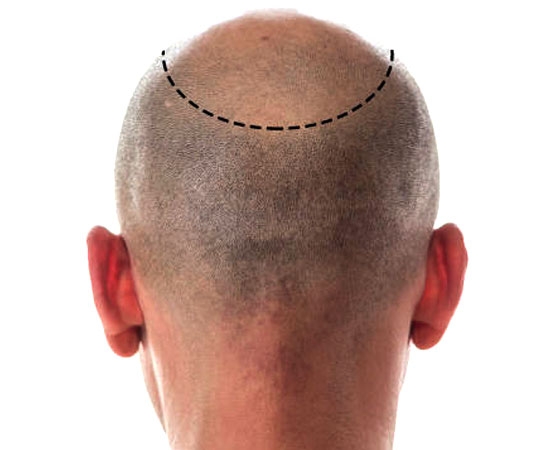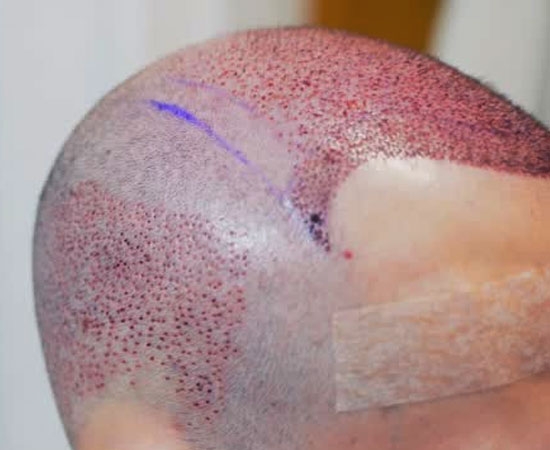



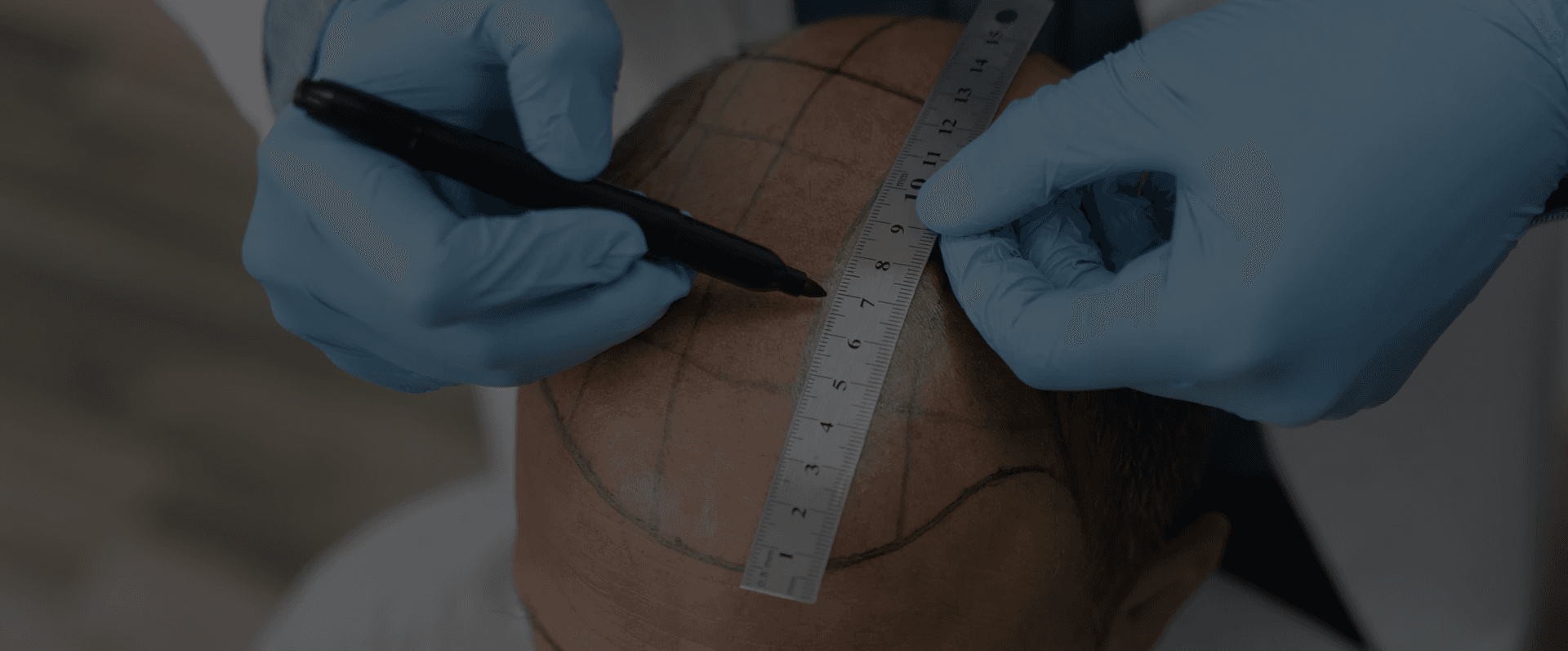
direct hair transplant technique

Home > Blog > DHI Hair Transplant: Technique, Benefits and Cost (2026)

DHI Hair Transplant: Technique, Benefits and Cost (2026)

Dr. Kapil Dua | April, 20 2026 | 0 Comments

Hair transplant techniques have evolved significantly over the years, from the early days of strip-based procedures (FUT) to more refined, minimally invasive approaches such as FUE and its advanced variations. This evolution has not only improved comfort and recovery but also made it possible to achieve more natural-looking results with better density and consistency over time.

Earlier, the focus was mainly on covering bald areas. Today, the approach has become more structured, with each stage of the procedure, from planning to final implantation, carefully planned to achieve better overall results.

Among newer approaches, the DHI (Direct Hair Implantation) technique is known for its direct implantation. However, with many techniques promoted across clinics, patients may find it difficult to understand the differences between them and determine which is truly suitable for their condition.

In reality, each technique has its own role, advantages, and limitations, depending on factors such as the extent of hair loss, donor availability, and the desired outcome.

Before choosing any technique, it is important to understand how it works in practice, what results can realistically be expected, and how it compares with other available options. A clear understanding helps patients move forward confidently, knowing that the chosen approach aligns with their specific needs rather than simply following a trend.

At AK Clinics, one of India’s reputable hair transplant clinics, our team of experienced surgeons has created this detailed guide to help you understand the DHI technique and how it compares with other advanced methods, including our proprietary Bio-FUE technique. The goal is to give you a clear, practical understanding so you can choose the most suitable option based on your hair-loss condition, expectations, and long-term goals.

What is a DHI Hair Transplant?

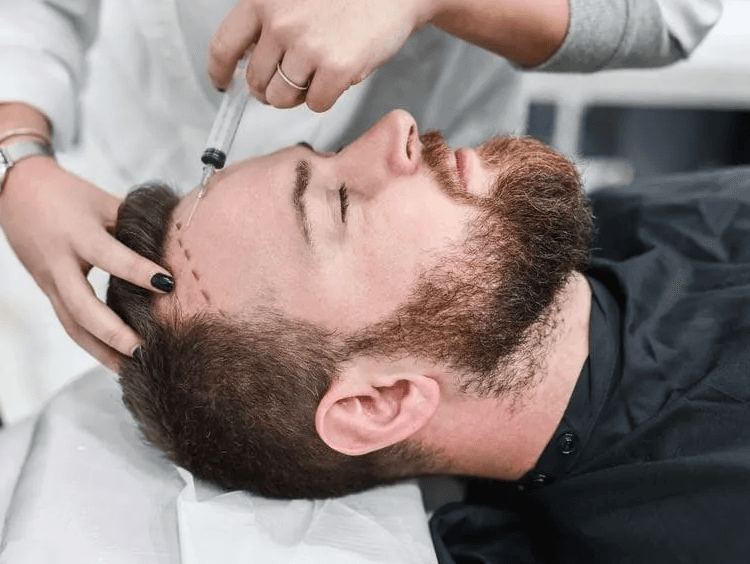
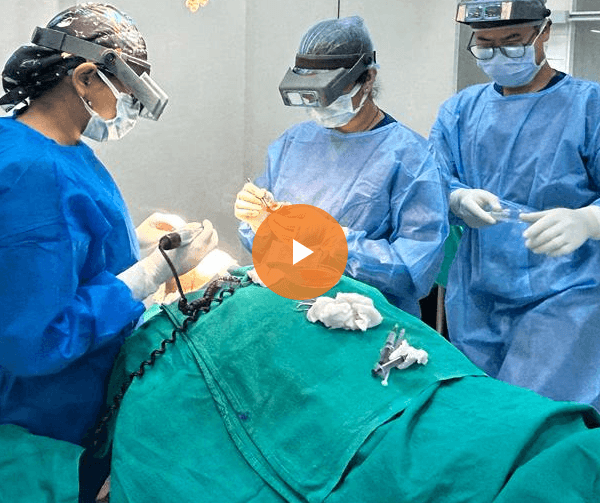
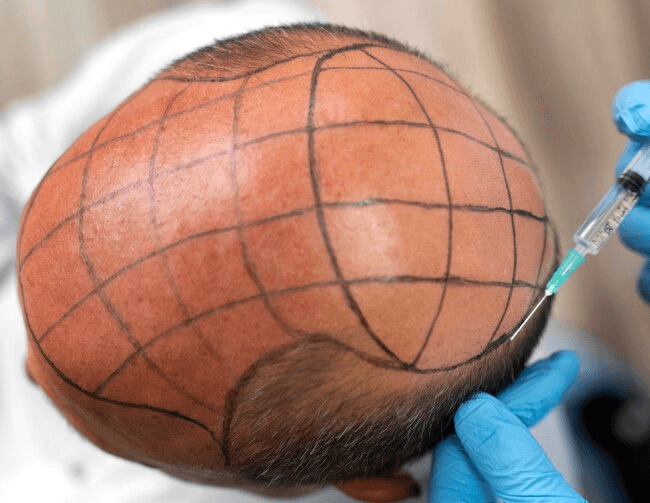
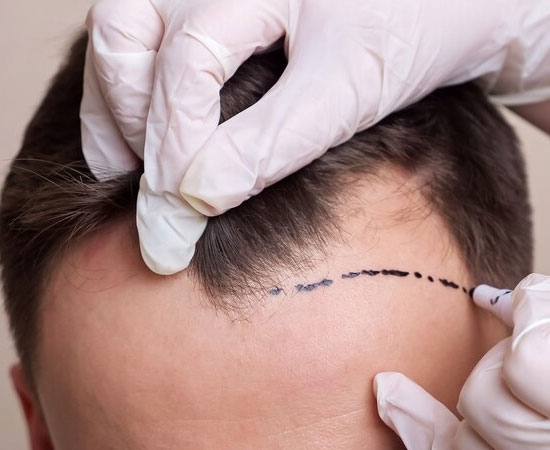
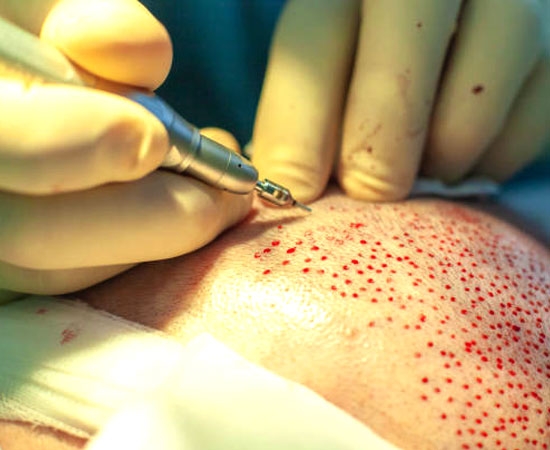
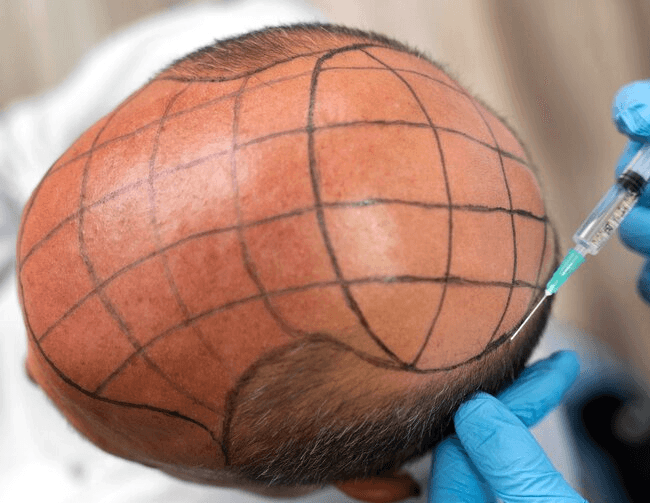
DHI is a direct hair transplantation method in which the extraction and implantation of hair follicles occur simultaneously, without creating separate slits beforehand. In this technique, a specialised implant pen known as the Choi Pen is used to extract follicles from the donor area and implant them into areas of thinning or baldness.

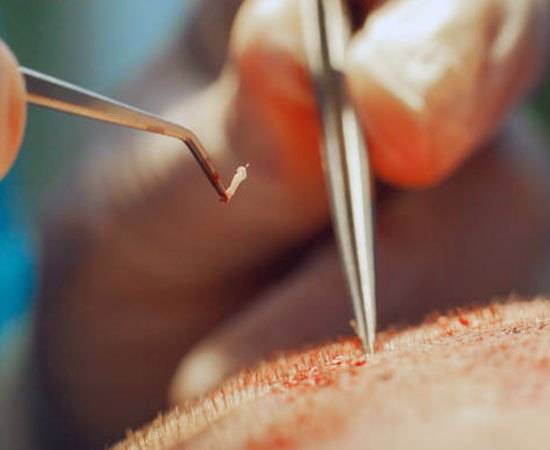
In the DHI technique, each extracted graft is carefully loaded into the Choi Pen (implanter pen) and then placed in the recipient area, where the angle, direction, and depth of placement can be controlled during implantation.

How the Choi Implanter Pen Works

The Choi pen is the defining instrument of DHI. It is a hollow device with a sharp needle tip into which each extracted graft is loaded. The surgeon creates a microchannel and places the graft in a single motion, without first creating separate recipient-site slits. This allows precise control of angle and depth for each graft. Multiple pens are used in rotation to minimise graft out-of-body time.

Benefits and Limitations of DHI Hair Transplant

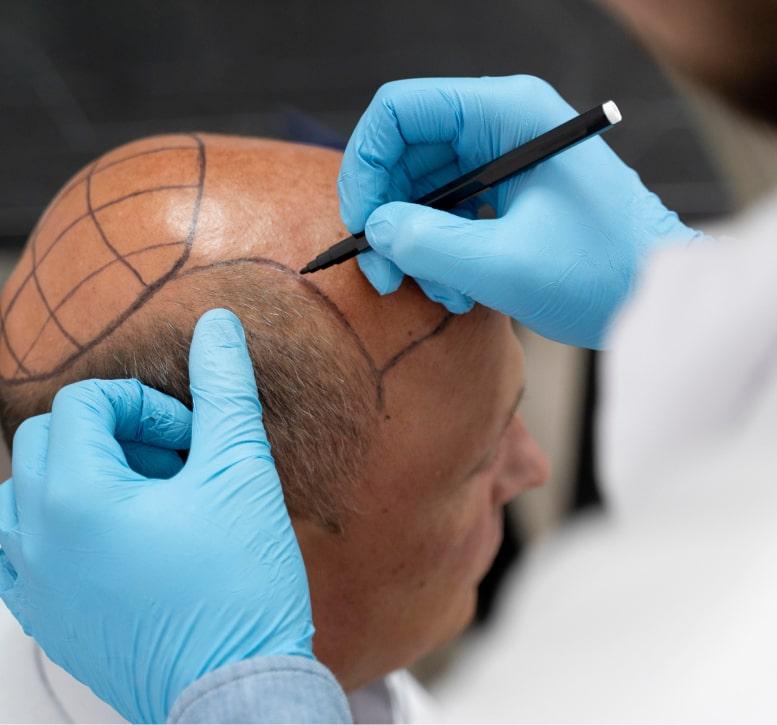
When evaluating hair transplant options, it is essential to consider both the benefits and limitations of the DHI technique in relation to factors such as the extent of hair loss, donor availability, and graft requirements, rather than relying solely on how a technique is presented.

Key Benefits of DHI Hair Transplant

  • No pre-created slits, as implantation is performed directly using an implantation pen
  • Minimal graft out-of-body time due to closely linked extraction and implantation
  • No linear scar, as the procedure involves micro-level extraction

Although DHI offers certain procedural advantages, it is important to note that the technique is more time-consuming and requires greater precision during implantation. This extended surgical time, along with the use of specialised implantation pens and additional consumables, can contribute to a relatively higher overall cost compared with other techniques.

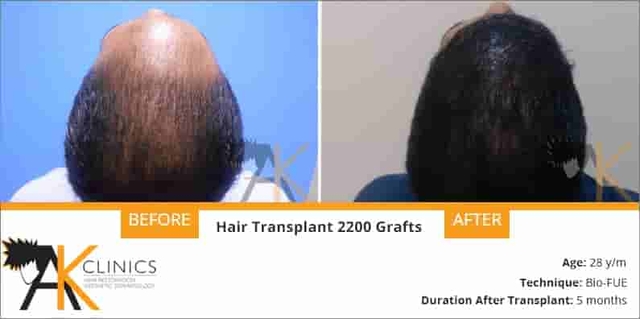
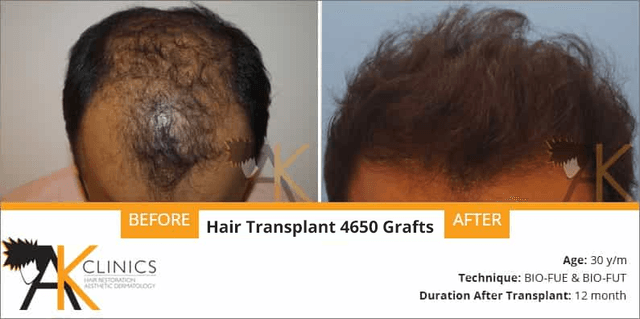
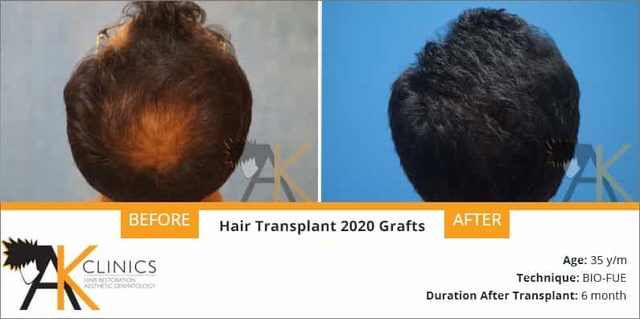
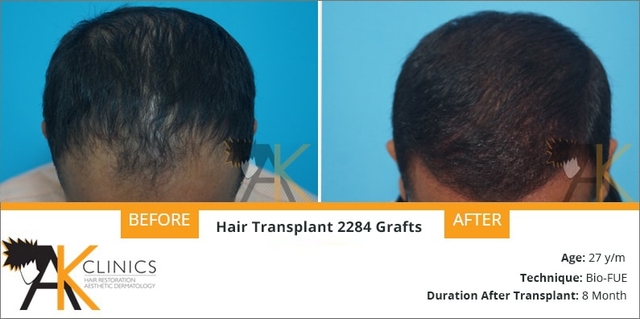
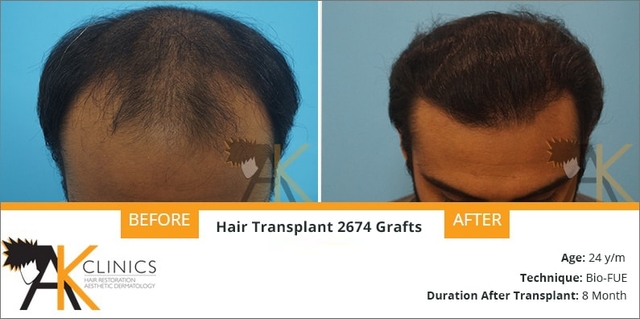
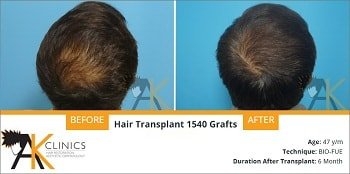
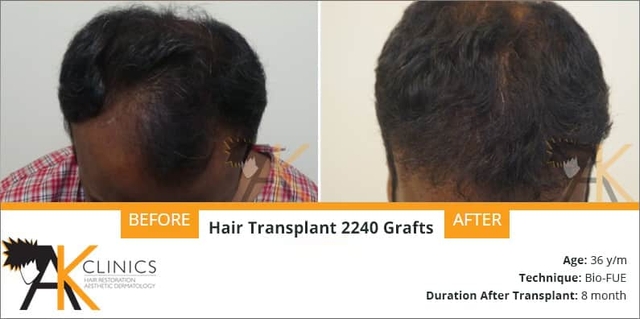
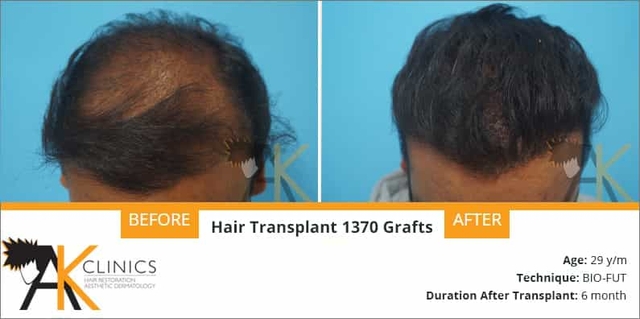
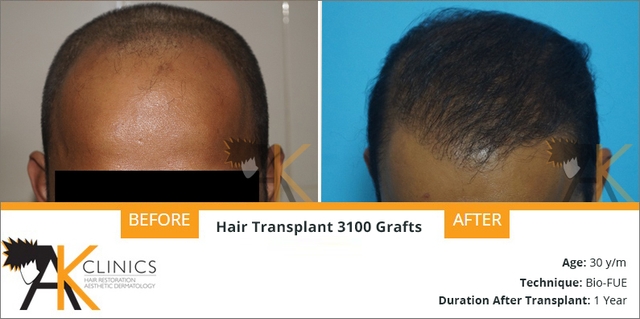
At AK Clinics, our focus extends beyond a single technique. We recommend the most appropriate approach after a thorough evaluation of each patient’s hair loss pattern, donor area condition, and desired outcomes. To further improve outcomes, our chief hair transplant surgeon has developed our trademarked techniques, Bio-FUE and Bio-DHT, which aim to enhance the overall process by reducing graft out-of-body time, minimising tissue trauma, and supporting better healing conditions for the scalp.

Why Most AK Clinics Patients Are Recommended Bio-FUE

Our proprietary Bio-FUE technique is designed to optimise every stage of hair transplantation:

  • Customised cut-to-size blades based on each patient’s individual hair characteristics
  • Slit creation before extraction to minimise graft out-of-body time
  • Only 100% visible and intact grafts are extracted and implanted, reducing wastage
  • Effective for both small and large sessions, making it suitable for a wider range of patients

If you are researching DHI, we encourage you to ask about Bio-FUE at your consultation before deciding.

Cost of DHI Hair Transplant in India

The cost of a DHI hair transplant in India is generally higher than other techniques and typically ranges from Rs. 1,00,000 to Rs. 3,00,000 or more. The exact price depends on the number of grafts needed, the level of hair loss, and the overall treatment plan.

The cost of a DHI hair transplant is usually calculated per follicle, since each case requires a different number of grafts and a different level of precision during implantation. Therefore, the final price can only be confirmed after a proper medical evaluation.

Generally, hair transplant costs in India vary based on several factors, such as:

  • Number of grafts required
  • Baldness level and pattern
  • Surgeon’s experience and involvement
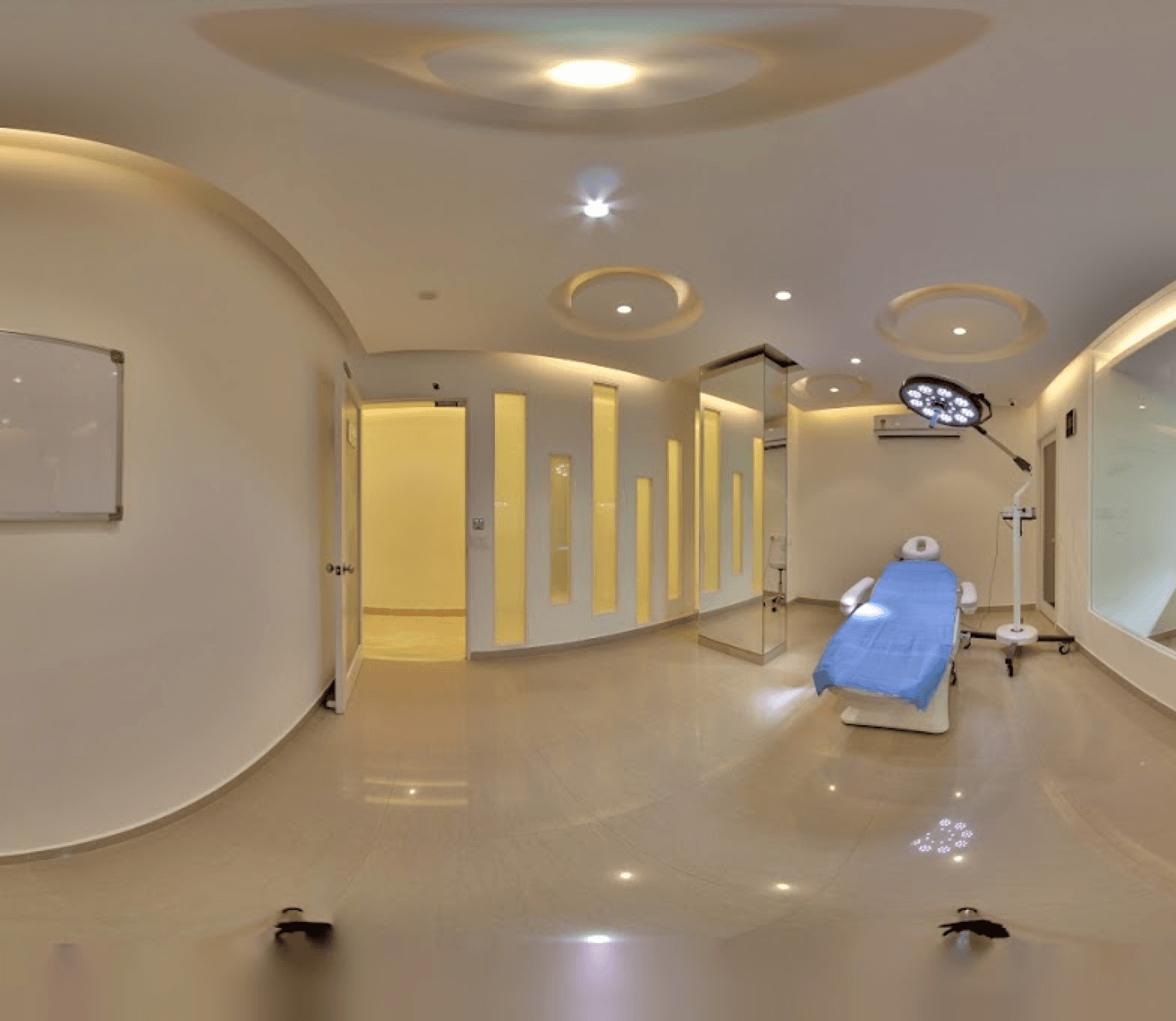
  • Clinic setup and safety protocols
  • Location of the clinic
  • Hairline design and density planning

If you are planning a hair transplant in India and want to know the exact cost for your case, visit AK Clinics in Delhi, Ludhiana, or Bangalore for a personalised assessment. For further guidance, call +91-97799-44207.

DHI vs Other Hair Transplant Techniques

When comparing DHI with other hair transplant techniques such as FUE, Sapphire FUE, and Bio-FUE, it is important to understand how each method handles key stages of the procedure, including graft extraction, implantation, and overall workflow.

The comparison below highlights how DHI differs from other commonly used techniques, helping you determine which approach might be more suitable based on your hair loss pattern, graft needs, and treatment goals.

Parameter DHI Sapphire FUE Bio-FUE (AK Clinics)
Procedure Focus Direct placement of grafts Channel creation using sapphire blades Optimises each step from planning to implantation and healing
Tool Used Implanter pen (Choi Pen) Sapphire blades Customised cut-to-size blades based on the patient’s hair
Graft Handling Extraction and implantation occur simultaneously Grafts extracted first, implanted after channel creation Structured workflow to align extraction, slit creation, and implantation efficiently
Time Taken Time-consuming due to graft-by-graft implantation Faster for large sessions due to the separated steps More flexible and efficient, depending on the case planning
Best Suited For Smaller areas and precision-focused zones Moderate to large coverage areas Both small and large areas with customised planning
Healing Approach Depends on implantation handling and procedure time Depends on slit size and depth Designed to minimise trauma and support better healing conditions
AK Clinics Recommendation Offered where clinically appropriate Offered where clinically appropriate Primary recommended approach for most patients

The right choice depends not only on the technique but also on how well each step is planned and executed by an experienced surgeon, taking into account individual hair-loss patterns, donor-site condition, and long-term goals. At AK Clinics, all procedures are performed by experienced doctors in accordance with established clinical protocols and international guidelines set by recognised hair restoration organisations.

DHI Hair Transplant Recovery Timeline

Recovery after DHI follows a similar pattern to FUE, as both procedures involve micro-level extraction from the donor area. For a full breakdown of what to expect at each stage, see our complete hair transplant side effects guide.

Timeframe What to Expect What to Avoid
Day 1 to 3 Mild swelling. Minor oozing from the donor area. No touching the transplanted area. No bending or lifting.
Day 3 to 7 Scabbing begins around follicles. Itching starts. No scratching. Begin saline spray as instructed.
Day 7 to 14 Gentle washing begins. Scabs loosen. No gym, swimming, or direct sun.
Weeks 2 to 8 Transplanted hair sheds. Normal shock loss. Do not panic. Continue post-op care as directed.
Months 3 to 4 New fine hairs begin emerging. Continue medications. Protect scalp from sun.
Months 12 to 18 Full results visible. Natural density achieved. Continue medical treatment to protect native hair.

Final Summary

Hair transplant techniques such as DHI, Sapphire FUE, and other advanced methods mainly differ in how graft extraction, implantation, and the overall workflow are handled during the procedure. Each approach has its own advantages and limitations, depending on the extent of hair loss, graft requirements, and treatment planning.

Rather than focusing on a single technique, it is more important to understand how the procedure is organised and carried out for your specific case. Factors such as graft handling, implantation approach, and clinical planning are essential to achieving consistent, natural-looking results.

Therefore, selecting an experienced hair transplant surgeon is crucial, as the final outcome largely depends on their expertise, decision-making, and execution at every stage of the procedure. At AK Clinics, we encourage patients researching DHI to ask about our Bio-FUE technique during their consultation to understand all available options before making a decision.

Frequently Asked Questions (FAQs)

DHI and FUE are not entirely different procedures. The main difference lies in how the grafts are implanted. DHI emphasises direct implantation, whereas FUE involves creating channels before implantation. The results depend more on planning, graft handling, and surgeon expertise than on the technique alone.
DHI does not leave a linear scar like FUT. It involves tiny micro-punctures in the donor area, which are usually not noticeable once healing is complete.
Most patients can resume routine activities within 1 to 2 days. However, complete scalp healing and visible hair growth take several weeks to months.
The procedure is performed under local anaesthesia, so patients usually do not feel pain during the surgery. Mild discomfort may be experienced after the procedure, which typically settles within a few days.
The number of grafts depends on the individual case and hair-loss pattern. Since DHI is a detailed and time-intensive process, very large sessions may not always be practical in a single sitting.
DHI may be suitable for hairline correction and smaller areas. However, for extensive baldness, other approaches may be considered, depending on graft requirements and donor availability.
The cost of DHI can be higher due to the use of specialised tools, the time required for implantation, and the level of detail involved in the procedure.
At AK Clinics, our surgeons believe that a successful hair transplant is not defined by the technique alone, but by how each stage of the procedure is planned and executed. Donor area management, graft handling, hairline design, and surgeon expertise all play a major role in achieving natural, long-lasting results.
Bio-FUE and DHI are not direct competitors; they differ in their approaches. DHI focuses on implantation using an implanter pen, whereas Bio-FUE aims to optimise the entire hair transplant process, including graft handling, implantation workflow, and healing. The best option depends on factors such as the extent of hair loss, graft requirements, and treatment planning. An experienced surgeon’s detailed evaluation helps determine the most suitable approach for each case.

Still Confused Between DHI and Other Techniques?

Hair transplant decisions are often influenced by what sounds advanced, but the right technique depends on your scalp condition, donor capacity, and long-term planning, not on a single technique.

A proper evaluation helps you avoid overpromises, unnecessary costs, and unsatisfactory results.

At AK Clinics, your case is assessed by experienced surgeons who focus on realistic planning, graft safety, and natural-looking outcomes, rather than promoting a single technique for everyone.

Book Your Free Consultation

AK Clinics has dedicated hair transplant centres across India, each offering advanced procedures performed by experienced surgeons only. Consultations with our doctors are free.

Book a Free Consultation

Call or WhatsApp: +91 97799 44207

⚕️

Medical Disclaimer: This article discusses DHI (Direct Hair Implantation) as a general surgical hair transplant technique. It is not associated with, affiliated to, or representative of any clinic, brand, or organisation that uses the DHI name commercially. In this article, the term DHI refers solely to the direct hair implantation method. This article is for general informational and educational purposes only. It does not constitute personalised medical advice, diagnosis, or treatment recommendations. Hair transplant candidacy, technique selection, and expected outcomes vary significantly between individuals and can be assessed only through a clinical consultation with a qualified surgeon. Individual results may vary. AK Clinics recommends consulting a qualified hair restoration surgeon before making any surgical decision.


doc-281×300

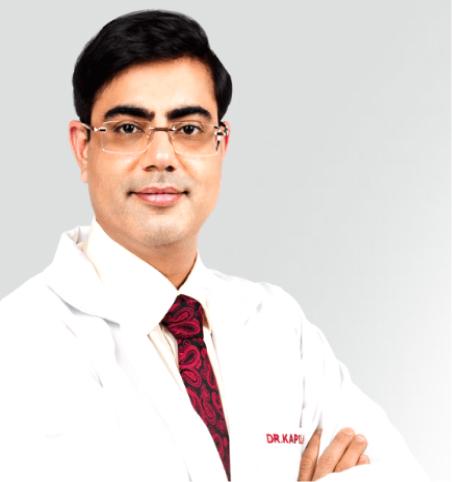
Dr. Kapil Dua

Dr. Kapil Dua, Co-Founder & Chairman at AK Clinics has over fourteen years of clinical and teaching experience in the fields of Otolaryngology & Hair Transplant. He holds the recognition for having transplanted over 5 million grafts, among the highest in the world, with a record of less than 3% wastage, among the best in the world. Dr Kapil Dua is one of the most recognized Indian hair transplant surgeon throughout all the world.

He has been doing hair transplant surgeries by FUE technique since 2007, has treated thousands of patients since then and demonstrated surgeries in conferences in China, Thailand, Dubai, UK. He has published more than 40 national and international publications including chapters in all the major textbooks all over the world.

Author Posts

Previous Post
Next Post

Leave a Comment