






AK Clinics
AK Clinics- India most trusted & recommended Hair, Skin, Cosmetic Surgery Clinics in India run by Dr. Kapil Dua & Dr. Aman Dua with a mission empowering one million indians to look and feel their best.
Hair transplant in India are among the most trusted and effective ways to restore natural-looking hair, and the country is quickly becoming a preferred destination for those considering the procedure. For anyone planning a hair transplant in India, understanding the process early is crucial, as the quality of your results depends heavily on decisions made long before surgery and on the care you follow afterwards.
Hair restoration has grown significantly worldwide, yet patient concerns continue to rise — especially amid the proliferation of unregulated clinics and the expanding black market, where poor hygiene standards and unrealistic promises put people at risk. This often leaves individuals planning a transplant with questions such as:
A hair transplant is more than a cosmetic procedure; the surgeon’s expertise is crucial to long-term results, as even a single wrong decision can affect your donor area or the overall outcome. That’s why proper planning before the hair transplant surgery is very important.
In this blog, we discuss common mistakes people make when planning a hair transplant and how avoiding them, along with choosing the right hair transplant surgeon, can help you achieve safe, natural-looking, and lasting results.
In This Article
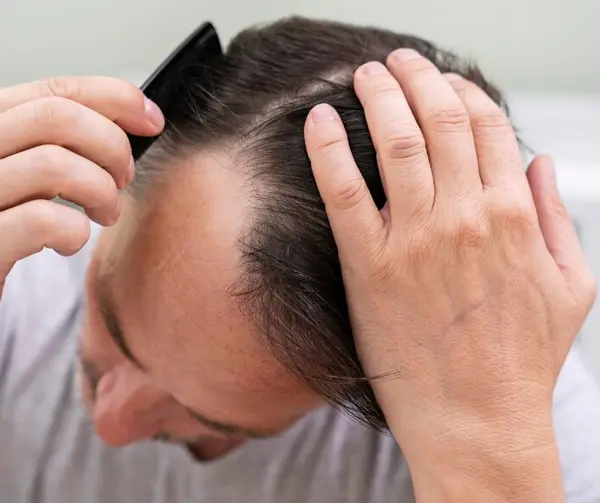
Many people mistakenly believe that all hair loss requires surgery. Understanding the true cause of your hair loss is essential to effective transplant planning. A qualified surgeon must analyse your scalp to determine whether your hair loss is temporary, progressive, or stable. This initial diagnosis enables the surgeon to:
At AK Clinics, one of India’s leading hair and skin clinics, we often see patients who arrive believing surgery is the only solution. In many cases, thinning is due to stress, nutritional deficiencies, lifestyle factors, or early-stage hair loss — not permanent baldness. With accurate diagnosis, structured counselling, and evidence-based treatments, these individuals often see noticeable improvement without needing a transplant. This clarity not only prevents unnecessary procedures but also helps patients follow a realistic, well-planned roadmap for long-term hair restoration.
Understanding the difference between hair loss in men and women is equally important, as both present differently and require tailored approaches before a transplant is considered.
Patients often fall for trendy online terms such as ‘scarless treatment,’ ‘unlimited grafts,’ or ‘instant density.’ These are marketing buzzwords, not medically validated concepts. Relying on such terms creates unrealistic expectations and falsely suggests that certain techniques guarantee better results.
In reality, no technique can replace the fundamentals of hair restoration without a surgeon’s expertise. While modern options such as FUE hair transplant and other advanced hair transplant techniques have improved outcomes, their effectiveness and suitability depend solely on the patient’s donor quality, scalp characteristics, and long-term hair loss pattern.
At AK Clinics, we have developed our own advanced trademark procedure, Bio-FUE hair transplant, which uses customised tools and growth factors alongside FUE to enhance graft vitality, improve healing, and promote better hair growth.
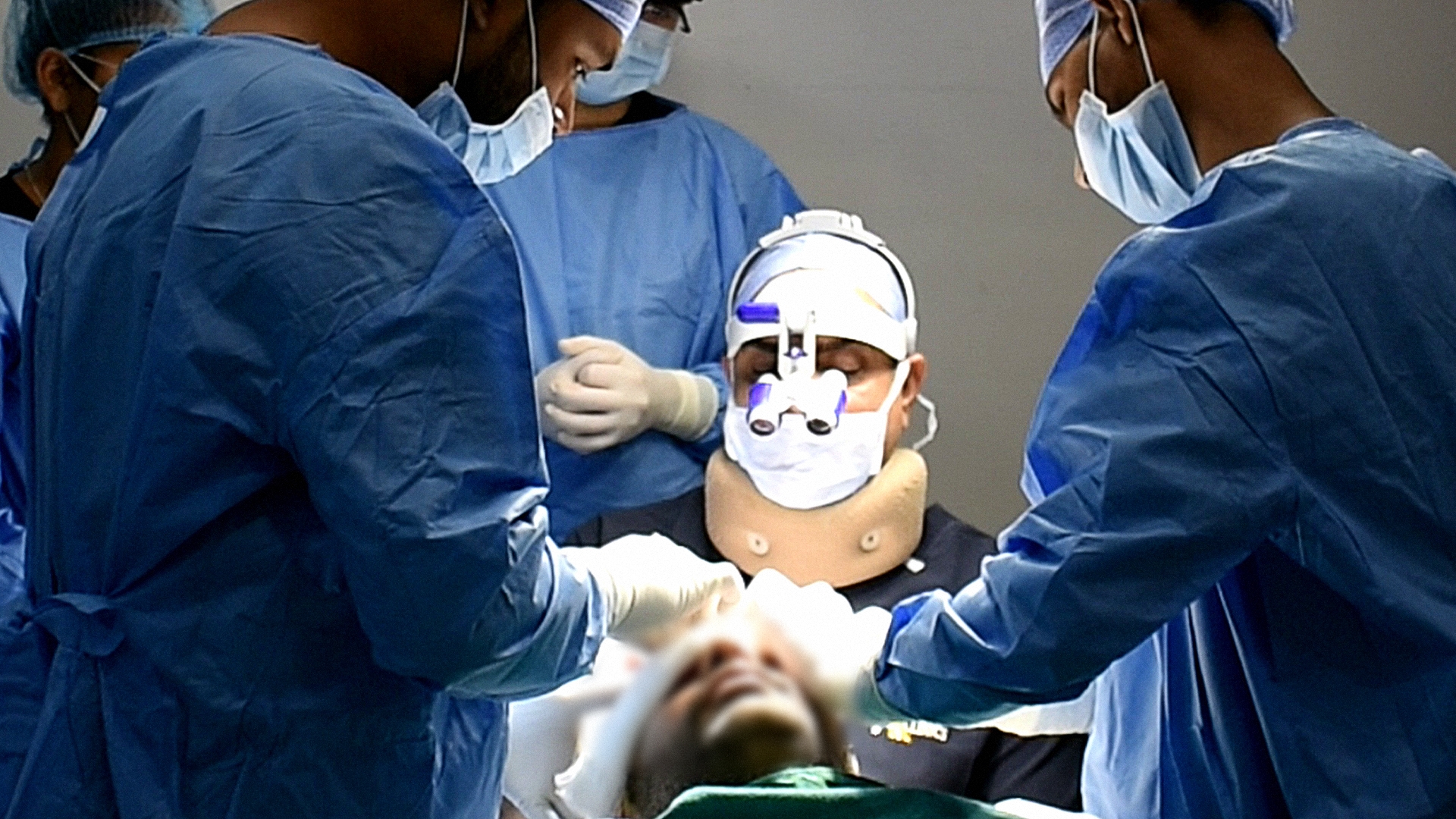
Choosing a clinic solely on cost is a common mistake; many patients prioritise affordability over medical expertise and safety standards. Extremely low hair transplant cost in India often signals compromised procedures, minimal surgeon involvement, or clinics operating in the unregulated black market. These facilities attract patients with cheap packages but often rely on technician-driven procedures, poor sterilisation, reused instruments, and rushed surgeries, all of which increase the risk of complications, poor growth, and permanent donor damage.
Reputable clinics invest in skilled surgical teams, sterile equipment, proper operating room hygiene, advanced technology, and long-term planning — all of which affect the overall cost of a hair transplant. A hair transplant is a once-in-a-lifetime medical procedure, so the focus should always be on safety, surgeon expertise, and long-term hair transplant results rather than discounts or promotional deals.
If you are unsatisfied with a previous procedure, a revision hair transplant may be an option, but it is always more complex and costly than getting it right the first time.
A hair transplant is a medical procedure, and ignoring the surgeon’s qualifications is one of the biggest mistakes people make during the planning phase. Your hair transplant success rate depends heavily on the surgeon’s expertise and judgment of your hair loss condition. A qualified surgeon evaluates your baldness level, donor density, hair characteristics, scalp condition, and expected future progression — forming the foundation for safe graft placement and natural, lasting results.
For a complete checklist of what to ask before committing to a clinic, read our guide to 7 important questions to ask your surgeon before a hair transplant.
At AK Clinics, every hair transplant is performed by experienced surgeons who are members of reputable hair restoration organisations, including AHRS (Association of Hair Restoration Surgeons of India), ABHRS (American Board of Hair Restoration Surgery), and ISHRS (International Society of Hair Restoration Surgery). All treatments adhere to strict medical standards, ensuring safe, natural, and predictable outcomes.
Many patients rely on unrealistic or filtered photos without verifying their authenticity. True patient stories boost confidence in both the treatment outcome and the surgeon’s expertise.
Genuine hair transplant case studies show how a transplant progresses — grafts settle in the first month, begin sprouting by three months, increase density around six months, and mature into a natural-looking hairline by nine to twelve months.
Choose a clinic that provides transparent, month-on-month progress updates and real patient case studies. This helps you set realistic expectations and make decisions based on authentic information rather than filtered images.
Many people expect a hair transplant to restore the density they had in their teenage years, which sets unrealistic expectations. A transplant redistributes limited donor grafts. It does not create new hair.
Before setting expectations, it is essential to understand your baldness grade. The level of baldness determines how much of the scalp needs coverage and how many grafts can be safely used at a time. A simple way to visualise coverage is the Palm Rule: each palm-sized area of your scalp represents one ‘coverage zone.’ Each zone typically requires around 2,000 grafts for a natural look.
Based on your baldness grade and zone, your surgeon must plan grafts and density coverage to account for future hair loss. If all the grafts from your safe donor area are extracted in a single session and you experience hair loss in other zones later, your donor area would be left with no grafts to perform a subsequent surgery.
Not planning for future hair loss can lead to an unnatural appearance, poor coverage, and patchiness over time. An experienced surgeon not only treats current baldness but also considers your long-term donor safety and the progression of future hair loss.
Dr Kapil Dua — Chief Hair Transplant Surgeon, AK Clinics
“The average donor area contains around 10,000 to 12,000 grafts, but only 40% of these, roughly 4,500 to 5,000 grafts, are considered viable for safe harvesting across multiple sessions throughout your lifetime. Extracting more than this can cause permanent thinning or damage to the donor zone. That’s why long-term planning is essential in every hair transplant case.”
A well-planned transplant ensures your long-term hair transplant results remain natural for years, even if your hair loss continues. This is also why FUT hair transplant may be recommended for patients with advanced baldness, where maximising graft yield in a single session is a priority within the overall long-term plan.
The early healing phases after a hair transplant are crucial because they determine how well the transplanted grafts survive. Even perfectly placed grafts can fail if post-op care is neglected. Instead of ignoring aftercare due to fear or confusion, these concerns should be openly discussed with the surgeon to prevent major complications that could affect final growth.
Following these steps can assist you during your post-care phase:
Similarly, following pre-surgical instructions is essential to ensure a safe surgical experience without complications.
Planning a Hair Transplant in India?
At AK Clinics, every consultation includes a detailed assessment of your hair loss pattern, donor area strength, and long-term suitability. Consultations are free and without obligation.
Call or WhatsApp: +91 97799 44207
A successful hair transplant isn’t just about the day of surgery; it’s shaped by the decisions you make long before entering the operating room. Understanding your hair loss pattern, setting realistic expectations, reviewing genuine results, planning for future thinning, and choosing the right clinic are essential to achieving natural, long-lasting outcomes. By avoiding common mistakes and approaching the process with clarity, you can achieve natural-looking hair transplant results and regain your confidence over time.
If you’re planning a hair transplant in India, you can visit AK Clinics in Delhi, Ludhiana, or Bangalore. Each consultation included a detailed assessment of your hair loss pattern, the strength of your donor area, and your overall suitability for treatment. Whether you’re still evaluating your options or ready to move ahead, a personalised consultation can help you take the next step with clarity and confidence.


AK Clinics- India most trusted & recommended Hair, Skin, Cosmetic Surgery Clinics in India run by Dr. Kapil Dua & Dr. Aman Dua.


Leave a Comment