






All Posts
| June 23, 2026 | 0 Comments
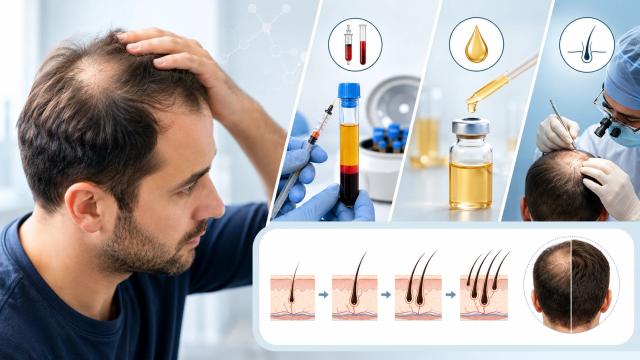
Best Treatments for DHT Hair Loss: PRP, GFC and Hair Transplant
Written by: Dr Aman Dua, MBBS MD, FISHRS · Reviewed by: Dr Kapil Dua, FISHRS, ABHRS-Certified · AK Clinics · Updated June 2026 Medical Disclaimer: This article is for informational purposes only and does not replace medical advice. Hair loss can have multiple causes, and treatment suitability varies from person to person. Always consult a […]
Read more
| June 23, 2026 | 0 Comments
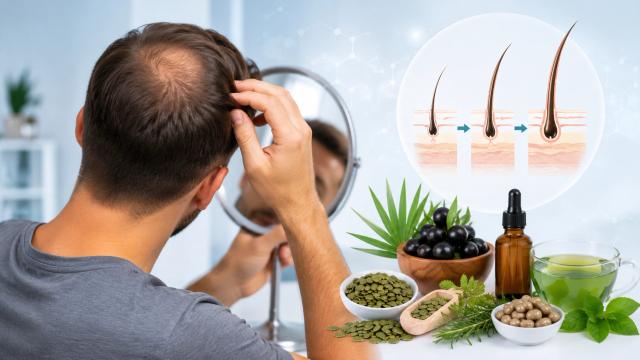
How to Reduce DHT Naturally: Foods, Lifestyle and Safe Hair Loss Tips
Written by: Dr Aman Dua, MBBS MD, FISHRS ·Reviewed by:Dr Kapil Dua, FISHRS, ABHRS-Certified · AK Clinics · Updated June 2026 Medical Disclaimer: This article is for informational and educational purposes only and does not replace medical advice. DHT-related hair loss can vary from person to person. Always consult a qualified dermatologist or hair specialist […]
Read more

| April 13, 2026 | 0 Comments
12 Natural DHT Blocker Foods to Stop Hair Loss (2026)
Written by: Dr. Aman Dua, MBBS MD, FISHRS · Reviewed by: Dr. Kapil Dua, FISHRS, ABHRS-Certified · AK Clinics · Updated April 2026 ⚕️ Medical Disclaimer: This article is for informational and educational purposes only and does not constitute medical advice. Hair loss has multiple causes. Always consult a qualified dermatologist or trichologist before starting […]
Read more

| November 13, 2015 | 0 Comments
Androgenetic Alopecia in Women
While hair loss can take place in men as well as women, the character of both is different. Conditions that can cause hair loss in men, might not affect women the same way. This is why, in order to treat hair loss in women effectively, it is important to judge it properly first. In this […]
Read more
| November 11, 2014 | 0 Comments
Why does Androgenetic alopecia occur?
“Hi, I am Mr. Goel, 32 year old male, I am Suffering from alopecia. Can you please tell me what and why I am suffering from this condition”. Hi, Mr. Goel First of all, I would like to thank you for mailing us to know more about alopecia. The hair loss or Alopecia has got […]
Read more
Are you losing your hair & confidence?
Please register yourself to get a Call Back.

AK Clinics- India most trusted & recommended Hair, Skin, Cosmetic Surgery Clinics in India run by Dr. Kapil Dua & Dr. Aman Dua.


